March 20, 2026
Choosing the right home is one of the most significant decisions many people make. For buyers looking for flexibility, affordability, and modern design options, manufactured homes present an appealing alternative to traditional site-built housing. These homes are constructed in controlled factory environments and then transported to their final location, offering a streamlined building process and predictable construction timelines. Many buyers appreciate how manufactured housing combines contemporary features with practical cost considerations.
Understanding how manufactured homes work before purchasing is essential. From construction standards and financing options to placement decisions and long-term costs, there are several factors that influence whether this housing style is the right fit. Learning about these details helps buyers evaluate their priorities and plan for the future. With a clear understanding of what to expect, prospective homeowners can move forward confidently and make informed decisions about purchasing a manufactured home.
Understand the Structure and Types of Manufactured Homes
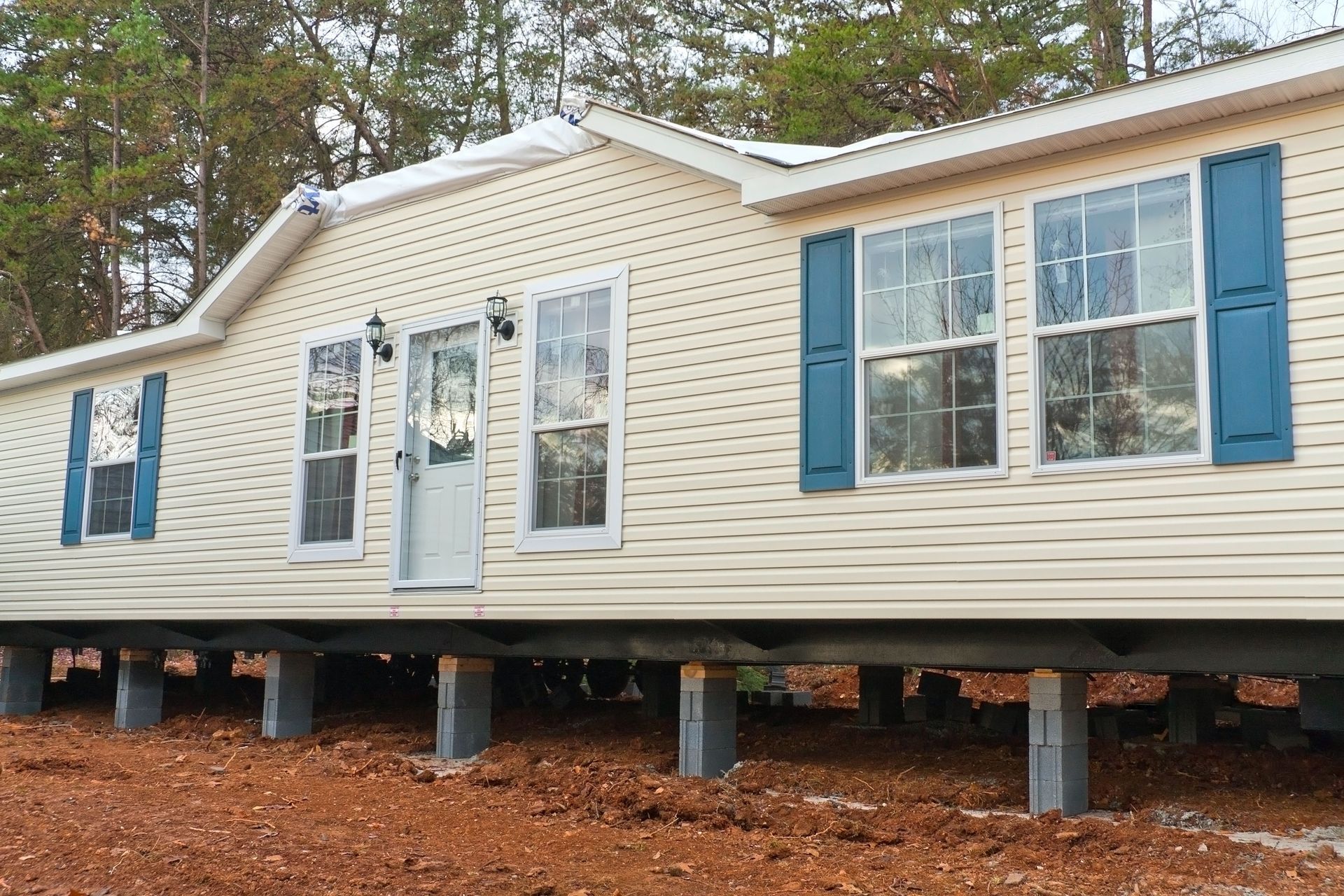
Modern manufactured homes are built in factories according to strict federal regulations known as the HUD Code. These guidelines ensure the homes meet national standards for construction quality, energy efficiency, safety, and durability. Unlike older mobile homes from previous decades, today’s manufactured housing is engineered with advanced materials and construction methods that support long-term stability and comfort.
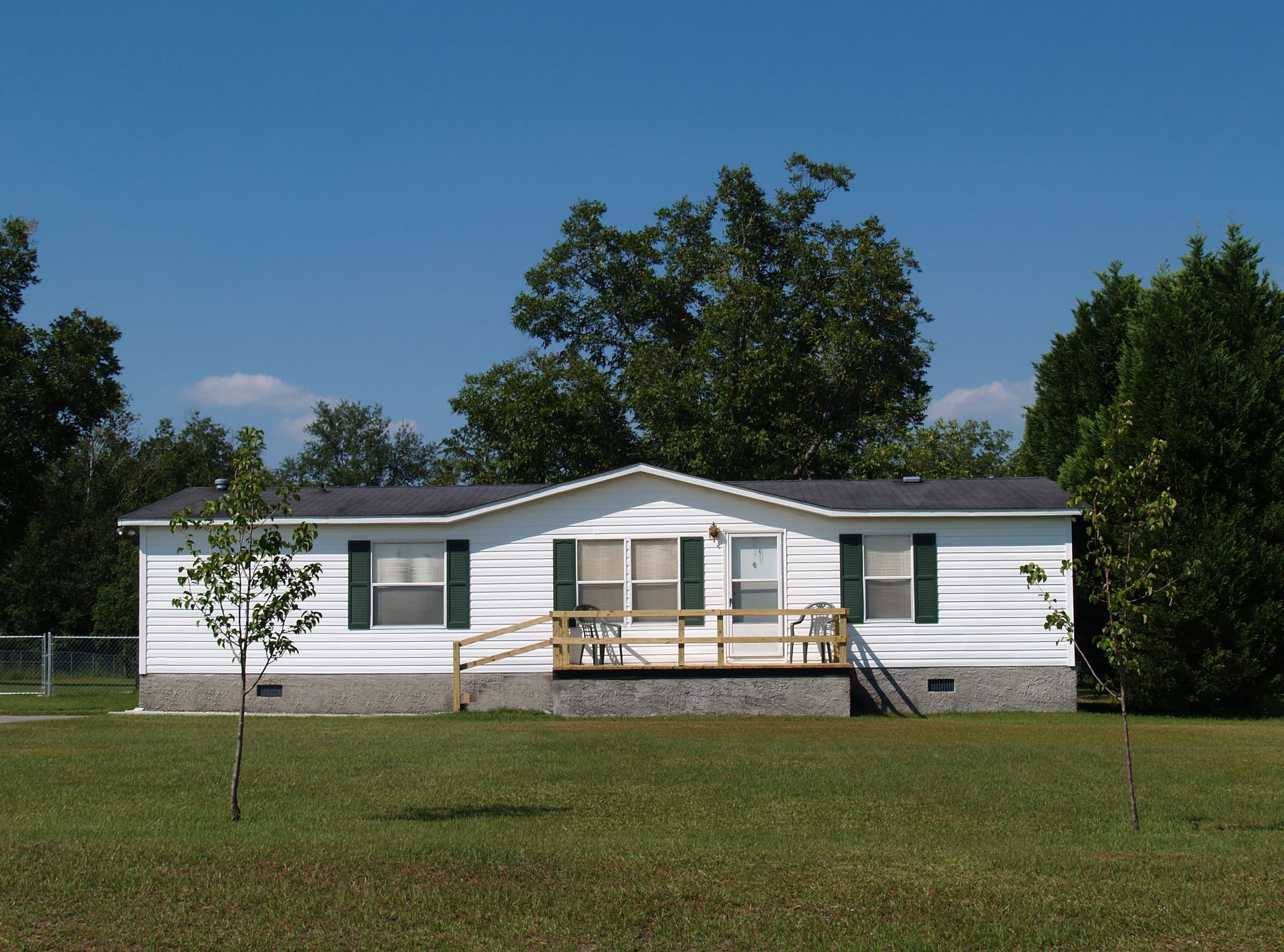
Buyers will typically encounter three main layout categories when exploring manufactured housing: single-wide, double-wide, and triple-wide models. Single-wide homes are more compact and often easier to transport, making them practical for certain locations. Double-wide and triple-wide models provide additional space, larger living areas, and expanded floor plan flexibility. These options allow homeowners to choose layouts that match their household size, lifestyle, and design preferences.
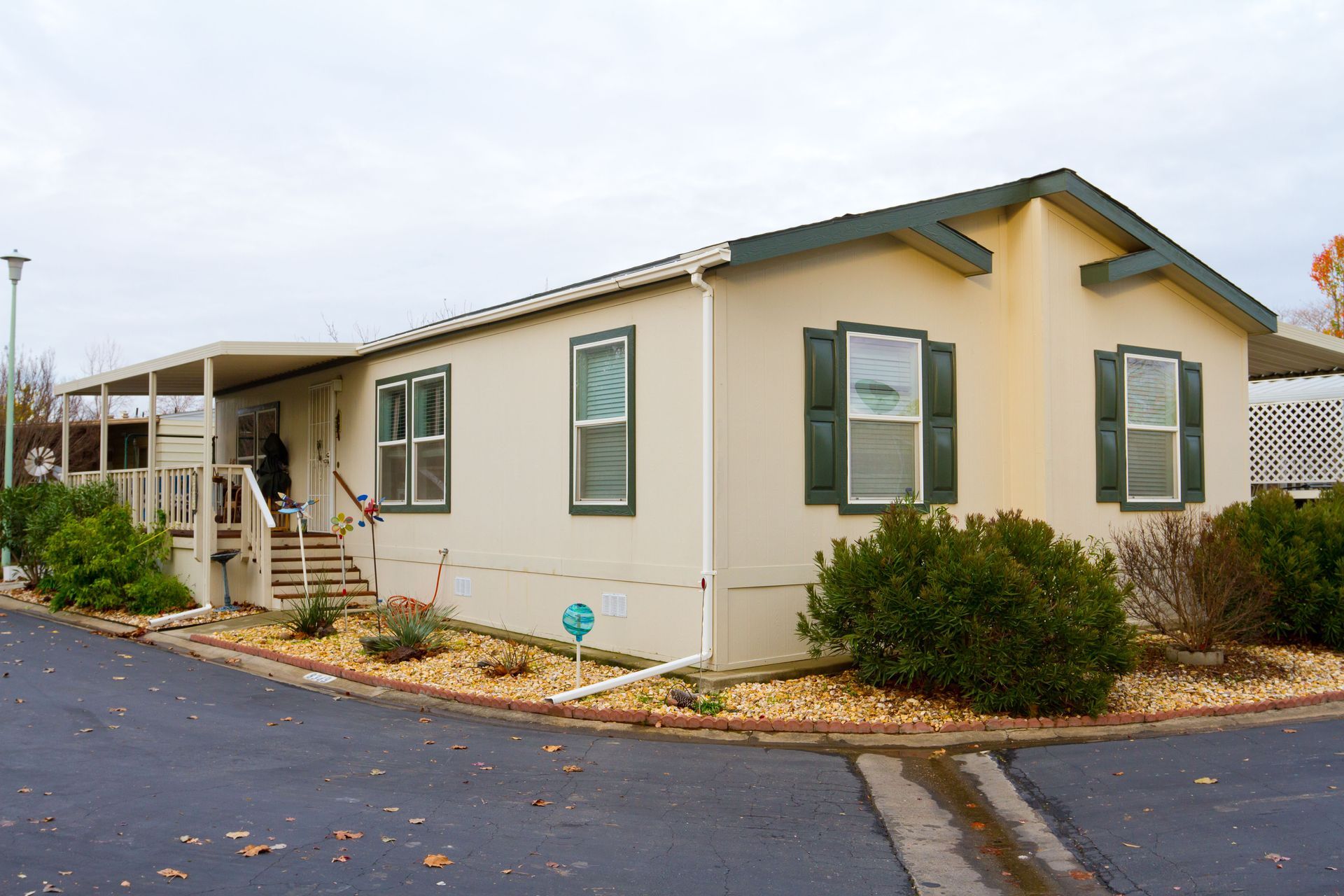
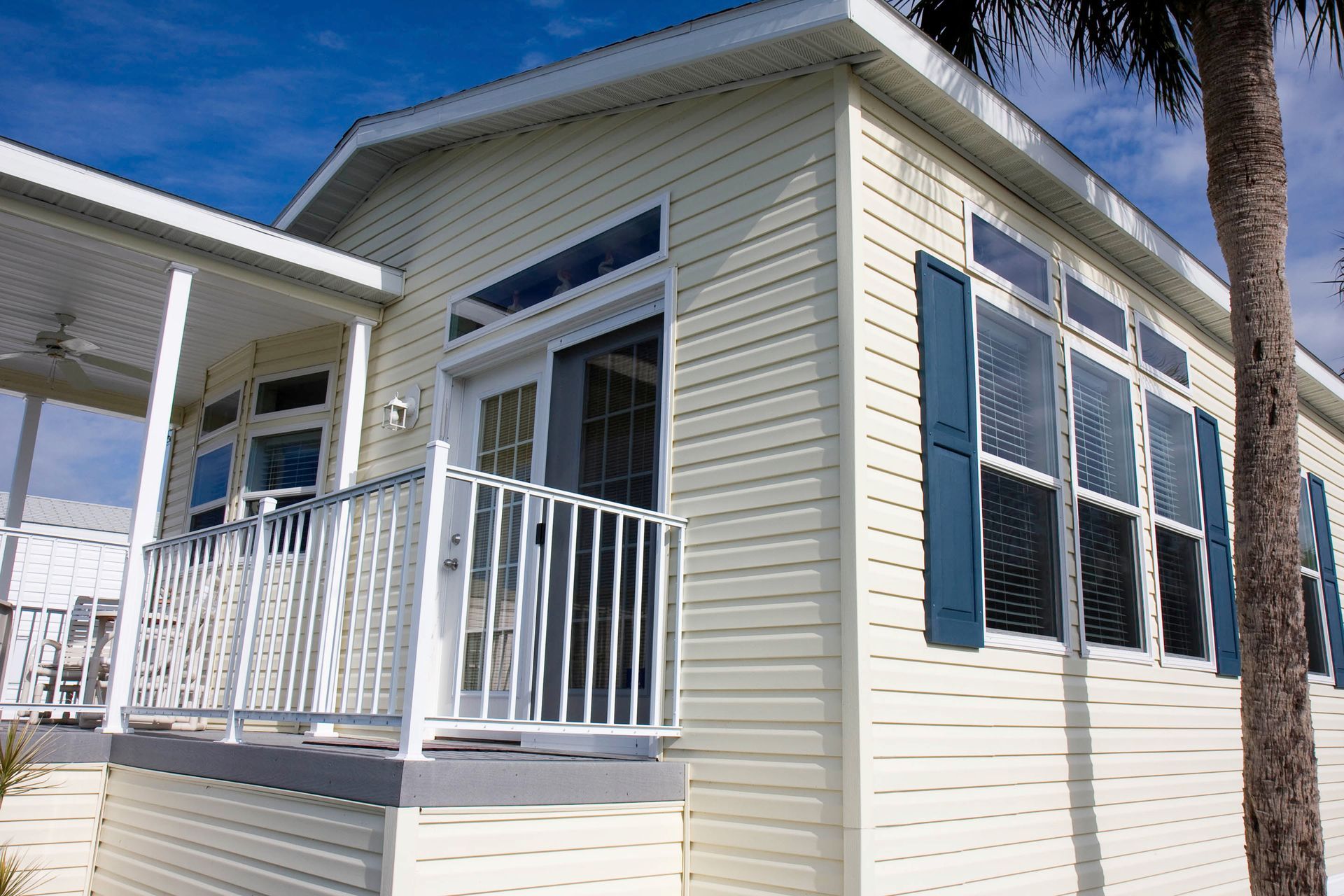
Another appealing feature of modern housing construction is the variety of styles available. Buyers can find manufactured homes designed with open floor plans, updated kitchens, and attractive exterior finishes that resemble traditional houses. These design options allow homeowners to enjoy contemporary aesthetics while benefiting from a more efficient construction process.
Evaluate the Advantages and Limitations
Affordability remains one of the primary reasons buyers consider manufactured housing. Compared to traditional construction methods, manufactured homes generally have lower upfront costs because factory production reduces labor expenses and material waste. The controlled building environment also minimizes delays caused by weather, which helps shorten construction timelines.
Another benefit is design flexibility. Buyers often have access to multiple floor plans and layout variations that accommodate different lifestyles. Larger models may include spacious kitchens, additional bedrooms, or open living areas that create comfortable gathering spaces.
However, prospective buyers should also evaluate potential limitations. Appreciation rates for manufactured housing can vary depending on factors such as location, land ownership, and local market conditions. Financing options may also differ from traditional mortgages, so it is important to review available lending solutions carefully. Understanding both advantages and potential challenges allows buyers to determine whether this housing option fits their long-term goals.
Dispel Common Misconceptions
Manufactured housing has occasionally been misunderstood due to outdated assumptions about quality and durability. Some people mistakenly believe that these homes lack the structural strength of traditional houses. In reality, modern manufactured homes are built under federally regulated guidelines that address wind resistance, fire safety, insulation performance, and overall construction integrity.
Another common misconception involves property value. While appreciation patterns may vary depending on location and market trends, many well-maintained manufactured homes retain strong resale value. Placement within desirable communities or on privately owned land can also influence long-term value.
Design expectations have evolved as well. Buyers may assume factory-built homes lack aesthetic appeal, but many models feature stylish interiors, updated cabinetry, modern fixtures, and energy-efficient systems. These improvements demonstrate how the industry continues to adapt to consumer preferences and modern design standards.
Review Federal Construction and Safety Standards
Federal regulations play a critical role in maintaining the quality and safety of manufactured housing. The HUD Code establishes national guidelines for design, construction, transportation, and installation. These rules ensure that homes meet specific requirements for structural strength, ventilation, thermal protection, and fire resistance.
The regulations also address environmental factors such as wind zones and roof load standards. By following these guidelines, manufacturers produce homes capable of performing reliably in various climate conditions. These safety measures provide reassurance for buyers who want durable housing built with consistent oversight.
Compliance with these federal standards also supports financing and insurance processes. Lenders and insurers typically require confirmation that homes meet HUD guidelines before approving loans or coverage. This connection between regulation and financial services reinforces the credibility of the manufactured housing industry.
Examine Pricing and Market Trends
Understanding pricing trends helps buyers plan their investment more effectively. Many people are drawn to manufactured homes because they often provide lower purchase prices compared to traditional houses. However, buyers should also consider additional expenses such as transportation, installation, land preparation, and utility connections.
Market demand for factory-built housing has increased in recent years. According to Mordor Intelligence, manufactured housing represented about 43.55% of the prefabricated housing market in 2025, highlighting the growing interest in this housing option. This shift reflects broader demand for cost-conscious and efficient home construction.
Monitoring market trends allows buyers to make informed purchasing decisions. Evaluating local housing demand, neighborhood growth, and community amenities can help determine how property values may evolve over time.
Consider Financing and Insurance Options
Financing a factory-built home may involve different lending structures compared to traditional real estate purchases. Some buyers use chattel loans, which treat the home as personal property. Others pursue mortgage financing if the home is permanently installed on owned land and classified as real estate.
Exploring multiple lenders can help buyers identify competitive rates and repayment terms. Credit unions, banks, and specialized housing lenders may offer financing programs designed specifically for manufactured housing purchases.
Insurance is another essential component of homeownership. Policies typically provide protection for the structure as well as personal belongings inside the home. Additional coverage options may include liability protection, protection for detached structures, and assistance with temporary living expenses if damage occurs.
Analyze Long-Term Ownership Costs
Owning a home involves more than the purchase price alone. Prospective buyers should evaluate the long-term expenses associated with utilities, maintenance, insurance premiums, and potential land costs. Understanding these ongoing responsibilities helps homeowners develop realistic budgets and maintain financial stability.
Maintenance plays an important role in preserving both comfort and property value. Regular upkeep of roofing, plumbing systems, electrical components, and exterior areas ensures the home continues to perform efficiently over time.
Buyers should also consider how improvements may influence operating costs. Energy-efficient appliances, upgraded insulation, and thoughtful interior upgrades can help reduce monthly expenses while enhancing everyday living conditions.
Choose the Right Location for Your Home
Location remains one of the most important factors when purchasing a home. Buyers considering manufactured homes may decide between placing their home within a community or installing it on privately owned land.
Manufactured home communities often provide shared amenities and established infrastructure, which can simplify installation and daily living. These communities may include maintained roads, recreational areas, and organized neighborhood layouts that encourage social interaction.
Placing a home on private land offers different advantages. Homeowners may enjoy additional privacy and flexibility when planning landscaping or outdoor spaces. However, private placement may require additional preparation, such as arranging utilities, permits, or access roads. Carefully comparing these options helps buyers determine which environment aligns with their lifestyle and long-term plans.
Purchasing a home involves thoughtful research, financial planning, and careful evaluation of available housing options. Manufactured homes continue to grow in popularity because they offer practical affordability, efficient construction timelines, and modern design features. By understanding construction standards, financing options, ownership costs, and placement considerations, buyers can approach the process with greater clarity and confidence.
For those exploring mobile homes, manufactured homes, or pre-built home styles, guidance from experienced professionals can make the process much easier. At Heart Homes of Harrison, we help buyers navigate available options and learn more about housing choices that fit their goals. If you are ready to explore possibilities and learn more about available homes, our team is here to help you take the next step toward finding the right place to call home.