May 18, 2026
The dream of owning a residence that perfectly balances comfort and modern design is a common one for many individuals navigating the current housing market. However, the reality of achieving that level of domestic perfection often involves a grueling schedule of site visits, specialized knowledge, and constant vigilance against rising construction costs and unpredictable weather patterns. For those who find their homeownership goals swallowed by the demands of traditional site-built projects, the assistance of a reputable manufactured home dealer becomes a transformative solution.
The primary distinction between these two housing types lies in the method and location of construction. While traditional houses are assembled piece by piece on a permanent site, modern prefabricated dwellings are constructed in a controlled environment and then transported to their final destination. Understanding these structural and logistical differences is essential for anyone looking to make an informed investment in their future living space.
Analyze Construction Environments
The environment where a structure is built significantly impacts its long-term integrity. Traditional houses are exposed to rain, snow, and extreme heat throughout the building process, which can lead to moisture being trapped within the walls. This exposure can sometimes cause wood to warp or mold to develop before the roof is even completed. In contrast, units sold by a manufactured home dealer are built inside expansive, climate-controlled facilities.
Indoor construction also allows for a level of quality control that is difficult to achieve on a busy outdoor building site. Technicians work at specialized stations with calibrated tools, and the process is governed by federal standards that mandate specific safety and durability requirements. Because the work is not dependent on the weather, the timeline for completion is predictable and efficient. This controlled setting eliminates many of the common delays associated with traditional homebuilding, allowing families to move into their new spaces much sooner than expected.
Compare Foundation Systems
A fundamental difference between these housing options involves how the structure meets the earth. Traditional houses typically rest on a permanent concrete slab or a full basement that is excavated and poured directly into the ground. This foundation is integral to the house and cannot be altered once the weight of the walls is applied. For many, this permanence is a hallmark of traditional real estate, providing a sense of total immersion into the local landscape.
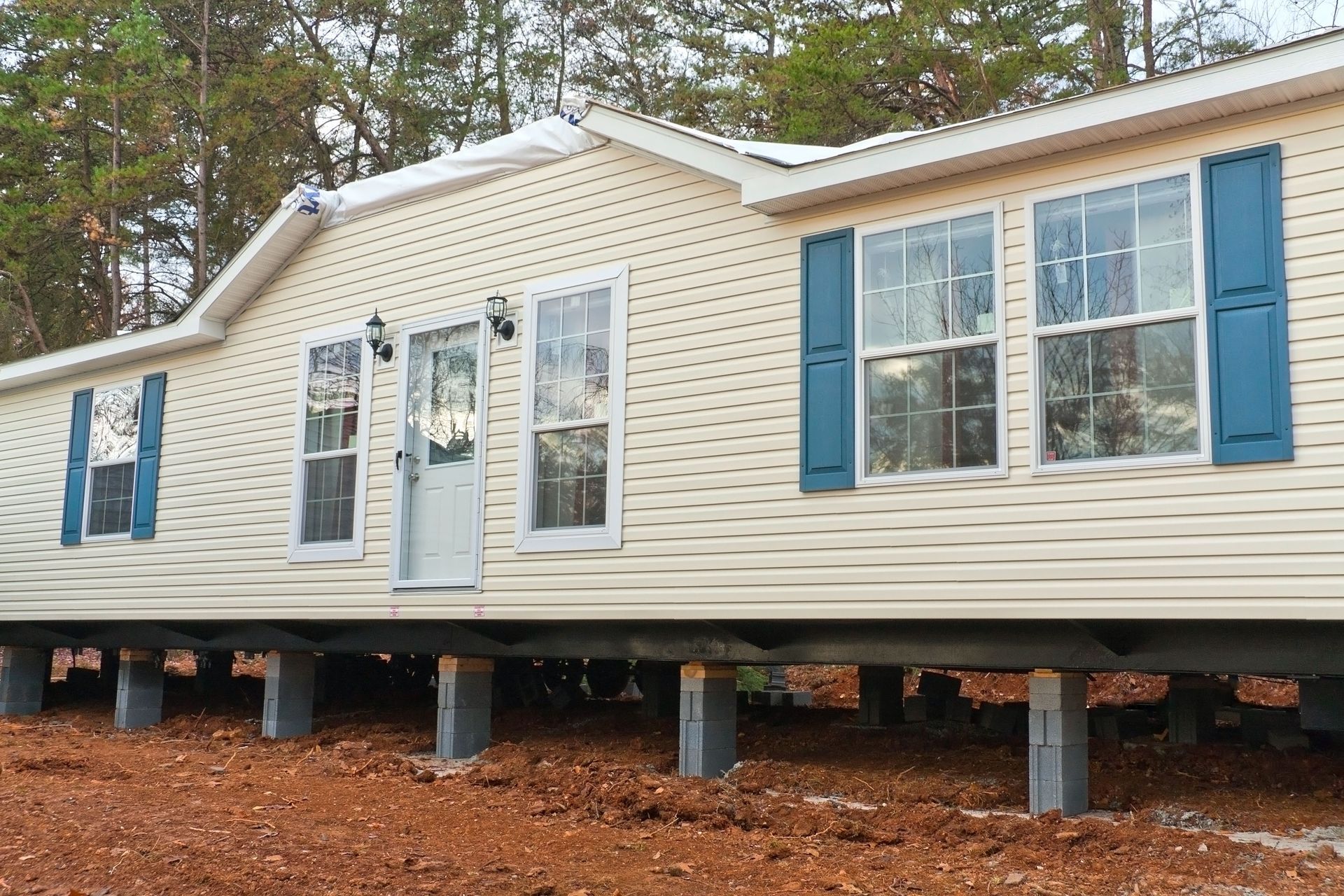
Units provided by a manufactured home dealer offer more flexibility in foundation choices. While they can be placed on a permanent crawl space or basement, they are often secured using specialized pier and anchor systems. These systems are designed to withstand high winds and seismic activity, providing a stable base that meets rigorous safety codes. The choice of foundation often depends on the specific requirements of the land where the unit will reside and the long-term plans of the property owner.
Examine Energy Efficiency and Space
Modern prefabricated living has moved far beyond the outdated perceptions of the past. Builders now prioritize sustainable materials and advanced insulation techniques that rival or exceed those found in expensive custom houses. These homes are designed to keep utility costs low while providing a comfortable indoor climate throughout the year. According to MHInsider, 53% percent of manufactured home owners said they purchased their home for its energy efficiency, and 49 percent choose their home for added space. These priorities reflect a shift toward practical luxury that emphasizes long-term savings and habitability.
The layout of a modern unit from a manufactured home dealer often includes:
- Open-concept kitchen and living areas that maximize natural light
- Vaulted ceilings that create a sense of grandeur and airiness
- Master suites with walk-in closets and spa-inspired bathrooms
- Dedicated utility rooms and pantries for organized storage
Evaluate Financing and Value
The path to ownership often looks different depending on the type of structure being purchased. Traditional houses are usually financed through standard mortgages where the land and the building are appraised as a single unit. Because these houses have been the standard for centuries, the lending process is well-established, though it often requires a substantial down payment and a lengthy approval period. The value of these properties tends to fluctuate with the local real estate market, often appreciating over time as the neighborhood develops.
Choosing to work with a manufactured home dealer opens up diverse financing avenues. If the unit is placed on a permanent foundation on land owned by the buyer, it can often qualify for the same mortgage terms as a site-built house. However, there are also specialized personal property loans available for those who prefer more flexible arrangements. The lower initial cost of these units allows many buyers to achieve the status of homeownership without the crushing debt often associated with traditional builds, providing a faster route to financial freedom.
Inspect Safety and Federal Standards
Safety is a non-negotiable aspect of any dwelling, but the regulations governing these two house types differ at the governmental level. Traditional houses must adhere to local building codes, which can vary significantly from one county to the next. This can sometimes lead to inconsistencies in construction quality depending on the strictness of local inspectors. In contrast, every unit sold by a manufactured home dealer must comply with a national building code. This federal oversight ensures that every home meets strict requirements for fire safety, structural plumbing, and electrical systems.
These federal standards were implemented to ensure that every resident, regardless of their location, has access to a safe and durable home.
- Advanced smoke detection and fire-resistant materials are standard
- Structural frames are engineered to withstand the stresses of transportation
- Plumbing and electrical systems are tested multiple times before leaving the factory
- Insulation levels are optimized for the specific geographic zone where the unit will be placed
Review Customization and Design Options
The ability to personalize a living space is what turns a house into a home. Traditional houses offer nearly limitless customization, but every change made during the construction process can lead to significant cost increases and timeline delays. When you work with a manufactured home dealer, you are presented with a curated selection of floor plans and design packages that have been optimized for both beauty and efficiency
Modern design options available through a manufactured home dealer include:
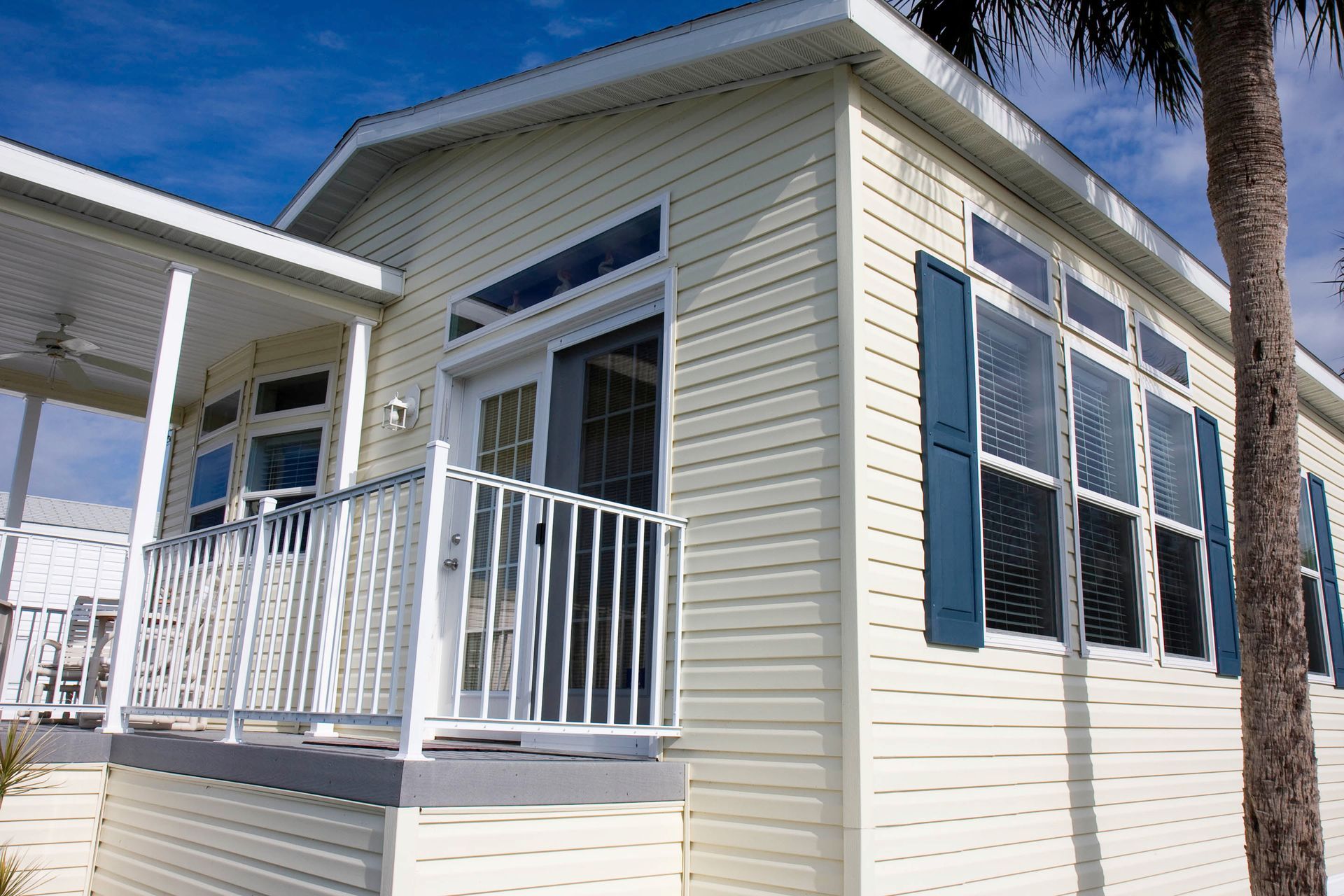
- Exterior finishes like stone accents and covered porches
- High-performance window packages for better thermal insulation
- Smart home technology integrations for modern convenience
- Designer lighting fixtures and modern plumbing hardware
These options allow for a bespoke feel without the unpredictability of a custom architectural project. By selecting from proven designs, homeowners can be confident in the final aesthetic and functional quality of their residence. The result is a home that reflects personal style while maintaining the structural benefits of factory-precision engineering.
Navigating the choice between a prefabricated residence and a site-built house requires a clear understanding of your long-term goals and daily needs. While traditional construction offers the familiarity of old-world methods, the modern approach provides a level of efficiency, safety, and value that is hard to ignore. Whether you are seeking a sprawling family estate or a cozy retreat for retirement, the technological advancements in the industry have made it possible to achieve your dreams with greater ease. For those ready to explore the possibilities of a high-quality, modern living space, the journey begins with a visit to a trusted manufactured home dealer. To find the perfect balance of style and stability for your next chapter, contact Heart Homes of Harrison.