November 17, 2026
Finding a home that offers comfort, practicality, and long-term value is an important part of creating a stable living environment. However, traditional homeownership can come with financial and logistical challenges that make finding the right property difficult. Buyers are increasingly exploring alternative housing options that provide flexibility without sacrificing essential features. Manufactured homes offer an appealing solution for individuals and families seeking functional living spaces, customizable layouts, and potentially more manageable purchasing costs. Understanding the advantages of this housing option can help prospective buyers determine whether it aligns with their financial goals, lifestyle preferences, and plans for the future.
1. Explore More Affordable Homeownership Opportunities
One of the primary reasons buyers consider manufactured homes is the potential for greater affordability. Traditional housing costs can make homeownership difficult to achieve, particularly for individuals who want to balance their housing expenses with other financial responsibilities. Manufactured housing can provide another path toward owning a comfortable residence without necessarily taking on the costs associated with conventional site-built construction.
The manufacturing process allows many components of a home to be constructed in a controlled facility before being transported to the property. This approach can improve efficiency and help reduce certain construction expenses. Standardized building processes and material purchasing arrangements may also contribute to more predictable production costs.
Affordability can provide buyers with greater flexibility when evaluating their housing options. Rather than concentrating their entire budget on purchasing a traditional house, prospective homeowners may have additional resources available for furnishings, property improvements, savings, and other priorities.
However, buyers should evaluate the complete cost of ownership before making a decision. Land expenses, transportation, installation, utility connections, insurance, and financing arrangements can all influence the final investment. Understanding these considerations helps create a more realistic picture of what purchasing a manufactured home involves.
2. Enjoy Flexible Layouts and Customization Options
A home should support the way its occupants live, work, and spend their time. Different households have different priorities, whether they need additional bedroom space, an open living area, a functional kitchen, or convenient storage. Manufactured homes offer a variety of layouts that allow buyers to consider their preferences before selecting a property.
Many models feature thoughtfully arranged interiors designed to make practical use of available space. Open floor plans can create a more connected living environment, while designated rooms provide privacy for household members. Buyers may also find options with different kitchen configurations, bathroom arrangements, and storage solutions.
Customization opportunities can make the purchasing process more appealing. Depending on the manufacturer and available models, buyers may be able to select finishes, cabinetry, flooring, exterior details, and other design elements. These choices allow homeowners to create a living environment that reflects their personal style.
When exploring manufactured homes, it is helpful to consider both current needs and potential lifestyle changes. A layout that accommodates household routines, hobbies, work responsibilities, and storage requirements can make everyday living more comfortable. Prioritizing functionality alongside appearance helps buyers choose a home that remains practical over time.
3. Benefit From Efficient Construction Methods
The construction process is another important advantage of manufactured housing. Unlike traditional homes that are generally built entirely at their final locations, manufactured homes are constructed in specialized facilities. Building in a controlled environment allows manufacturers to coordinate materials, labor, and production activities more efficiently.
Indoor construction can also reduce exposure to weather-related disruptions. Rain, extreme temperatures, and other environmental conditions can interfere with outdoor construction schedules. A facility-based production process provides greater control over working conditions and can help maintain consistency throughout manufacturing.
According to MHInsider, the United States has an estimated 4.3 million sites designated for manufactured housing. This reflects the established presence of this housing option and the infrastructure available to support communities and individual properties.
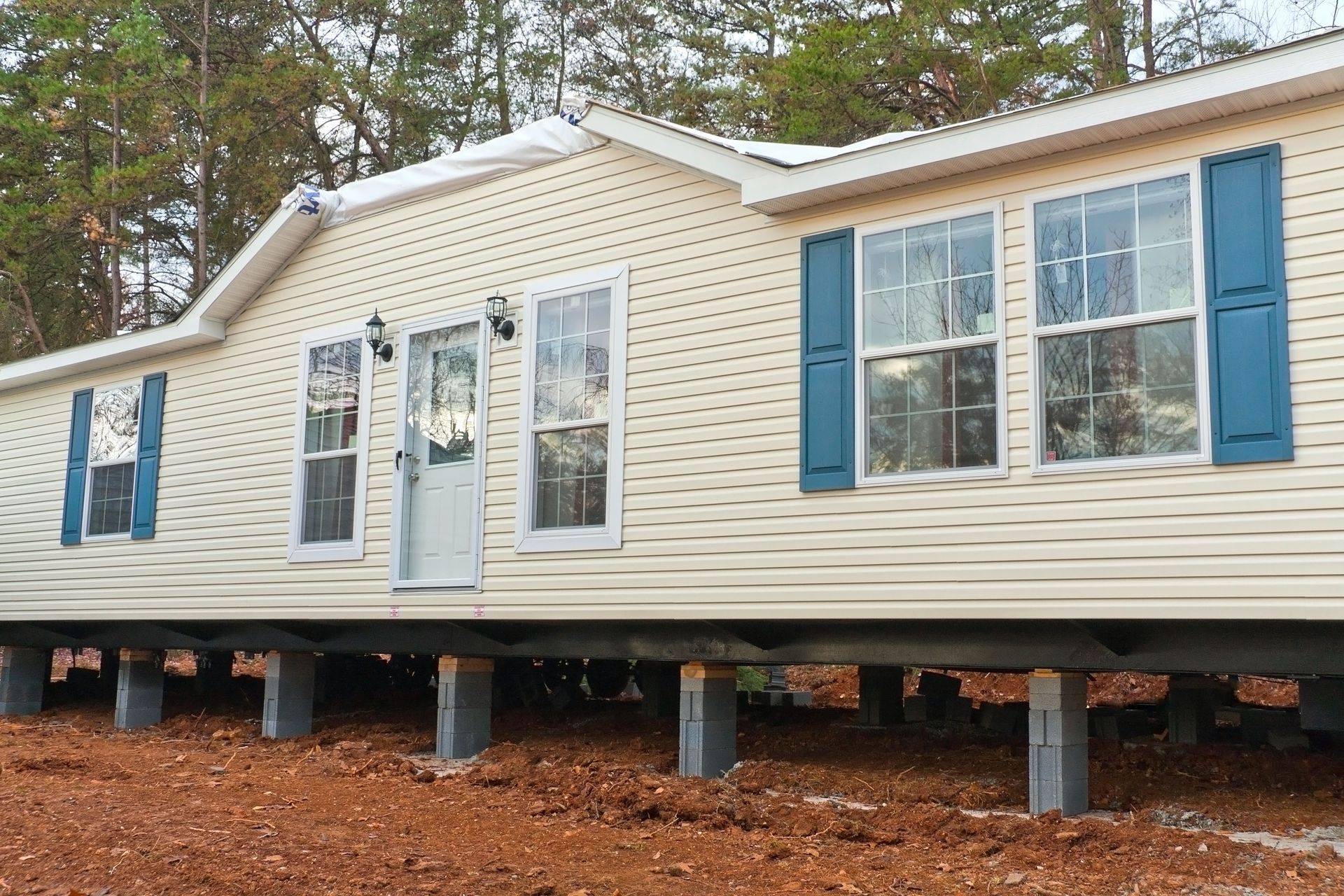
Once construction is complete, the home is transported to its designated location for installation. Site preparation, foundation requirements, utility connections, and transportation arrangements must be coordinated to ensure the property is ready for occupancy.
4. Consider Energy Efficiency and Modern Features
Energy efficiency is an important consideration for anyone purchasing a home. Heating, cooling, lighting, and appliance use can influence monthly household expenses, making construction quality and available features worth evaluating. Modern manufactured homes may include design elements intended to support comfortable indoor temperatures and more efficient energy use.
Depending on the model, available features may include insulated walls, energy-efficient windows, improved heating and cooling systems, and appliances designed to reduce electricity consumption. These elements can help limit unnecessary energy loss while supporting a comfortable living environment.
Buyers should ask about insulation specifications, window construction, ventilation, and heating and cooling options when comparing properties. The quality of these features can influence how well a home performs under different seasonal conditions.
It is also important to distinguish between available features and guaranteed savings. Actual energy expenses depend on factors such as climate, household habits, utility rates, and maintenance. Reviewing the home's specifications and asking about available upgrades can help buyers make informed decisions about long-term operating costs.
5. Experience Convenient Maintenance and Property Management
Homeownership involves ongoing responsibilities, and choosing a property that is manageable can make everyday life easier. Manufactured homes offer layouts and construction features that may simplify certain maintenance tasks, particularly when buyers select a model that fits their property and lifestyle.
A practical floor plan can make cleaning, organizing, and maintaining interior spaces more straightforward. Functional storage areas, accessible utility systems, and durable interior materials can also contribute to a more manageable household routine.
Exterior maintenance remains an important consideration. Roofing, siding, drainage, foundations, and other structural components require appropriate attention to maintain the home's condition. Regular inspections and timely repairs can help prevent minor concerns from becoming more expensive problems.
Prospective buyers should also ask about manufacturer warranties, service availability, and recommended maintenance procedures. Understanding what is covered and how to obtain assistance can provide additional confidence after purchasing. Establishing a maintenance routine helps protect the property and supports its long-term usability.
6. Find Housing Options That Support Different Lifestyles
Housing preferences vary depending on household size, personal priorities, and financial circumstances. Some buyers want a comfortable residence with manageable upkeep, while others prioritize flexibility, additional space, or access to a particular community. Manufactured housing offers options that can accommodate a variety of these preferences.
Individuals purchasing their first homes may appreciate having an alternative to traditional construction. Retirees may also find certain layouts appealing because they emphasize convenient living spaces and practical room arrangements.
Manufactured homes can also be placed in different settings, depending on local zoning requirements, property availability, and installation regulations. Some buyers choose manufactured housing communities, while others explore placing a home on privately owned land.
Location should remain an important part of the purchasing decision. Buyers should evaluate access to employment, shopping, healthcare, schools, transportation, and other everyday necessities. A home that meets personal preferences while offering convenient access to essential services can contribute to a more satisfying living experience.
Purchasing a home is an important decision, and understanding the available options makes it easier to choose a property that supports long-term goals. Manufactured housing offers potential advantages involving affordability, construction efficiency, customization, and practical everyday living. By evaluating floor plans, installation requirements, energy features, and ongoing expenses, buyers can approach the process with greater confidence. Take the next step toward finding a home that fits your needs by contacting Heart Homes of Harrison to explore available options and discover the possibilities of manufactured homeownership.