July 21, 2026
Buying a home is one of the largest financial and personal decisions many people make. The process can involve comparing floor plans, evaluating budgets, arranging financing, reviewing land options, and understanding installation requirements. For buyers who are unfamiliar with manufactured housing, these steps may feel especially complex. Manufactured home dealers help organize the process by giving buyers one central source for information, guidance, and practical support.
Instead of contacting multiple companies without a clear plan, buyers can work with professionals who understand the homes, purchasing steps, delivery needs, and local requirements. Manufactured home dealers can explain available choices, answer questions, and help customers avoid common delays. Their involvement does not remove every responsibility from the buyer, but it can make the overall experience easier to understand and manage from the first visit through move-in.
Clarifying Available Home Options
One of the first challenges in homebuying is deciding what type of home fits a household’s needs. Buyers may have preferences related to the number of bedrooms, kitchen layout, storage, accessibility, exterior appearance, or energy-efficient features. Manufactured home dealers simplify this stage by showing buyers models and floor plans that match their priorities.
Rather than reviewing countless options without context, buyers can receive explanations about how each model differs. Dealers can point out standard features, available upgrades, and design choices that may affect the final price. This guidance helps buyers compare homes more effectively and focus on options that suit their lifestyle.
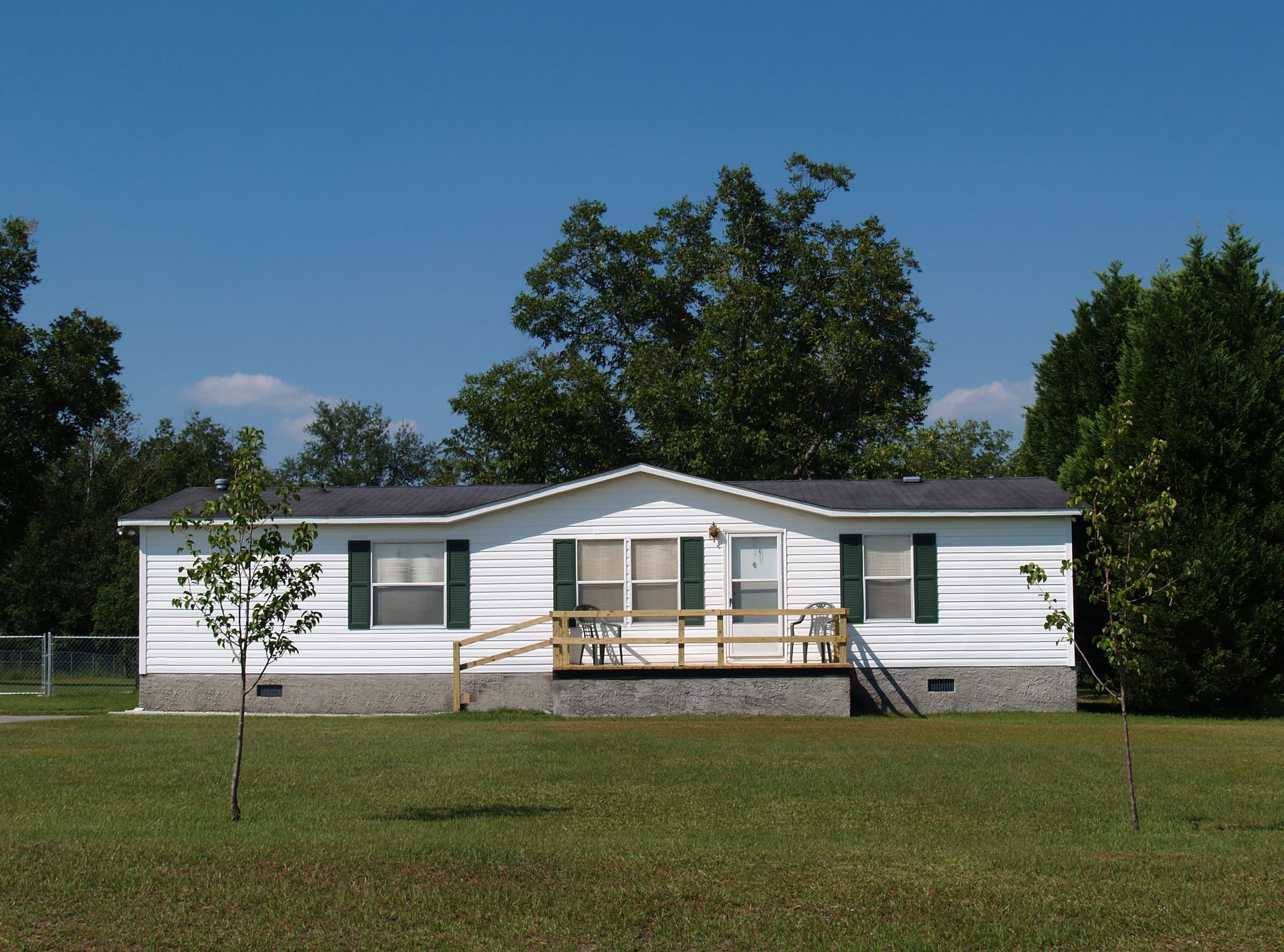
Manufactured home dealers may also help buyers distinguish between single-section, multi-section, and other configurations. Understanding these differences early can prevent confusion later, especially when the home must fit a particular site. By narrowing the choices in an organized way, dealers help buyers move forward with greater confidence.
Matching Homes With Realistic Budgets
A clear budget is essential when purchasing any home. Buyers must think beyond the base price and consider transportation, installation, site preparation, permits, utilities, taxes, insurance, and optional upgrades. Manufactured home dealers can help customers identify these cost categories before they make a final decision.
This support is valuable because a home that appears affordable at first may involve additional expenses that affect the total investment. Dealers can explain which costs are included in a quoted price and which services may be handled separately. Buyers can then compare options using a more complete financial picture.
Manufactured home dealers can also help customers prioritize features when the budget is limited. A buyer may decide that an additional bedroom is more important than premium finishes, or that energy-efficient upgrades are worth choosing now rather than later. These conversations make it easier to balance preferences with practical financial limits. Buyers can also ask how changes to the floor plan, materials, appliances, or exterior details may influence the price. Having these discussions before signing an agreement helps households select a home they can enjoy without overlooking other necessary expenses.
Explaining Community and Land Considerations
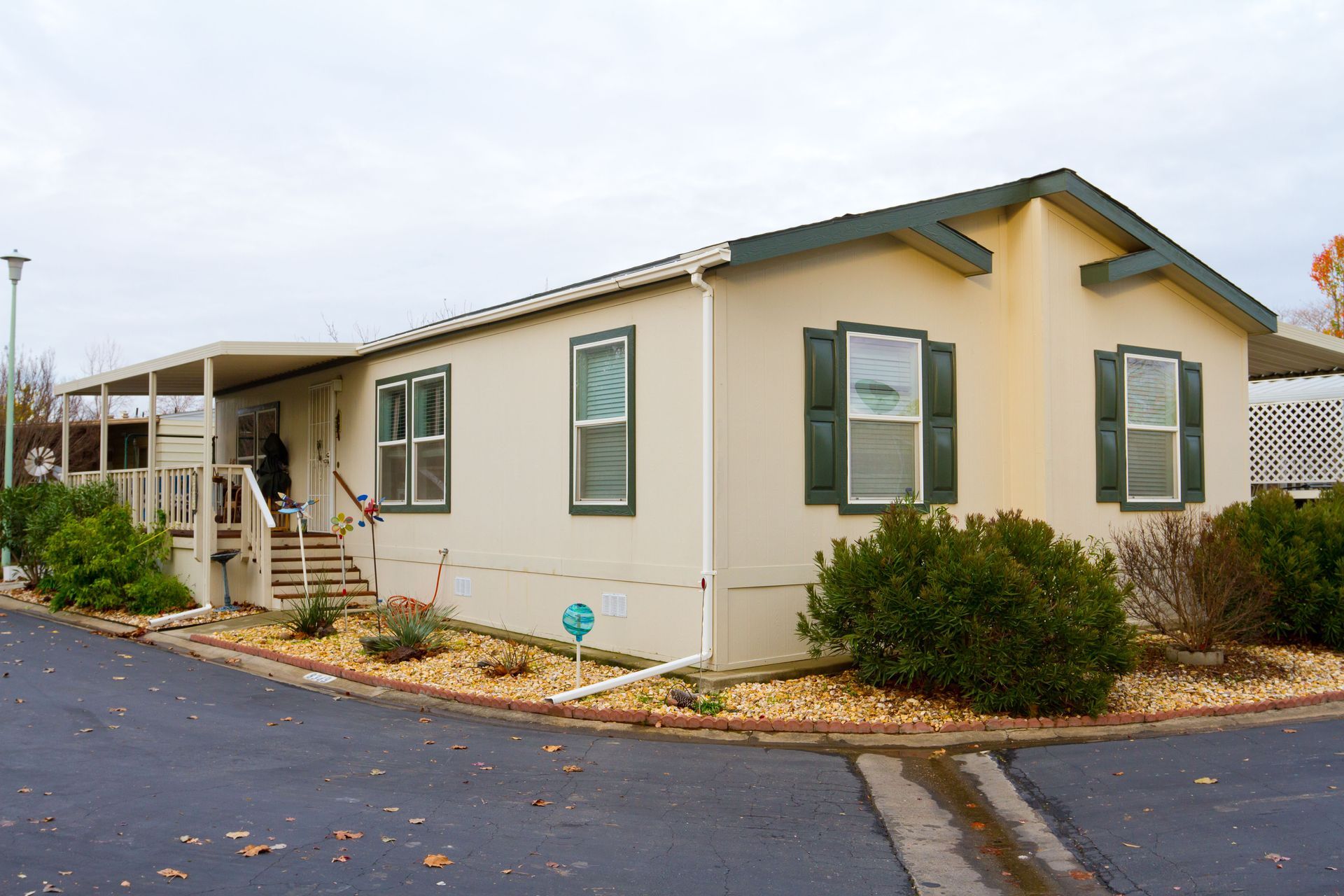
The home itself is only one part of the purchase. Buyers must also determine where the home will be placed. Some customers already own land, while others are considering a manufactured home community or searching for a suitable property. Manufactured home dealers can explain how the location affects the buying and installation process.
According to MHInsider, there are an estimated 4.3 million manufactured home sites across the United States. This large number shows that buyers may have many placement possibilities, but each site can have different rules, costs, and requirements. A dealer can help buyers understand the questions they should ask before committing to a location.
For privately owned land, buyers may need to confirm zoning, setbacks, utility access, foundation requirements, and road access for delivery. In a community, they may need to review lot rent, community guidelines, included amenities, and home size restrictions. Manufactured home dealers can help customers identify these issues early, reducing the risk of choosing a home that does not work for the intended site.
Coordinating Financing and Documentation
Financing a manufactured home may involve different loan products depending on whether the buyer owns the land, leases a site, or purchases the home and property together. The number of options can be confusing for someone who has never completed this type of transaction. Manufactured home dealers often help buyers understand the basic financing paths available to them.
Dealers may work with lenders that are familiar with manufactured housing, which can make communication more efficient. They can help buyers gather documents, understand application steps, and prepare for requests involving income, credit, down payments, or property information. Although lenders make the final approval decisions, dealer guidance can help buyers submit more complete applications.
Manufactured home dealers can also explain important documents related to the purchase agreement, selected features, warranties, delivery, and installation. Buyers still need to read everything carefully, but having a knowledgeable contact available can make unfamiliar terms easier to understand. This organization reduces the chance that missing paperwork will slow the transaction.
Managing Delivery and Installation Details
After a home is selected and financing is arranged, the process shifts toward delivery and installation. This stage may involve scheduling transportation, preparing the site, coordinating utility connections, and completing required inspections. Manufactured home dealers can help keep these activities organized so buyers know what must happen and when.
Delivery requires proper access to the site, enough space for equipment, and preparation that meets the home’s specifications. If the site is not ready, delays may occur. Dealers can communicate with installers, transport teams, contractors, or community representatives to help confirm that necessary steps are completed in the correct order.
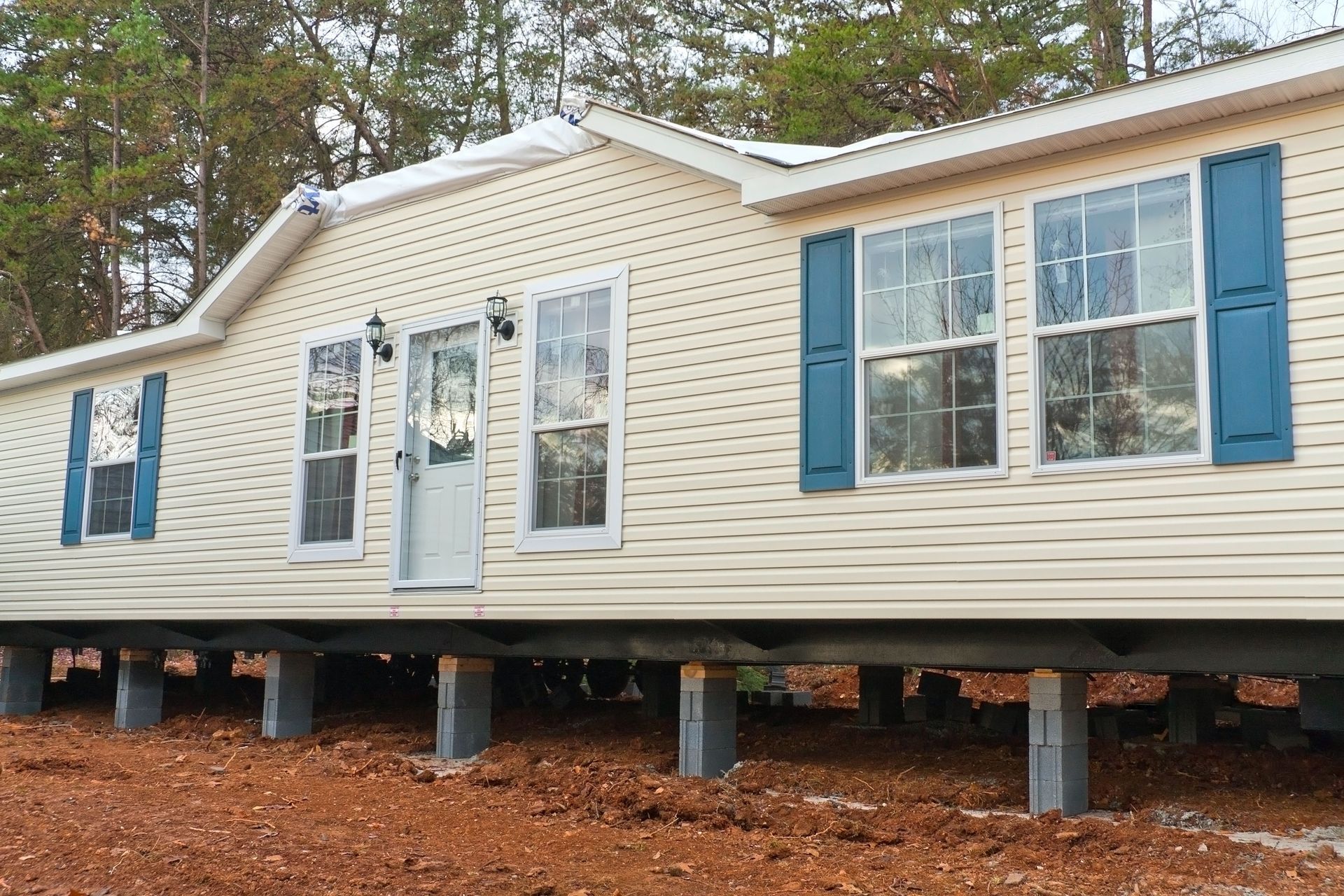
Installation may include foundation work, leveling, anchoring, joining sections, exterior finishing, and utility hookups. Manufactured home dealers can explain which professionals are responsible for each task and what the buyer should expect during the process. Clear communication is especially important because several parties may be working on the project at the same time.
Supporting Inspections, Warranties, and Move-In
Before move-in, buyers may need final inspections, utility approvals, occupancy documentation, or a walkthrough. Manufactured home dealers can help customers prepare for these final steps and understand what remains before the home is ready. This support can make the closing stage feel more manageable after months of planning.
During a walkthrough, buyers can inspect surfaces, fixtures, doors, windows, appliances, and other components. Any concerns should be documented and reported through the proper process. Dealers can explain how service requests are handled and whether an issue falls under the manufacturer, installer, contractor, or another provider.
Warranty information is another important part of ownership. Manufactured home dealers can help buyers locate warranty documents, understand coverage periods, and follow the correct steps when requesting service. Knowing where to turn can reduce frustration if a question arises after move-in.
Dealers may also provide maintenance information or direct homeowners to manufacturer resources that explain routine care. These materials can help new owners protect finishes, monitor major systems, and become familiar with the responsibilities that come with maintaining the home.
The value of dealer support extends beyond choosing a model. By helping buyers compare options, understand costs, review locations, organize financing, coordinate installation, and complete final paperwork, dealers create a clearer path to homeownership. Buyers still need to make careful decisions, but they do not have to navigate every detail alone. Call Heart Homes of Harrison today to schedule your manufactured home consultation.